
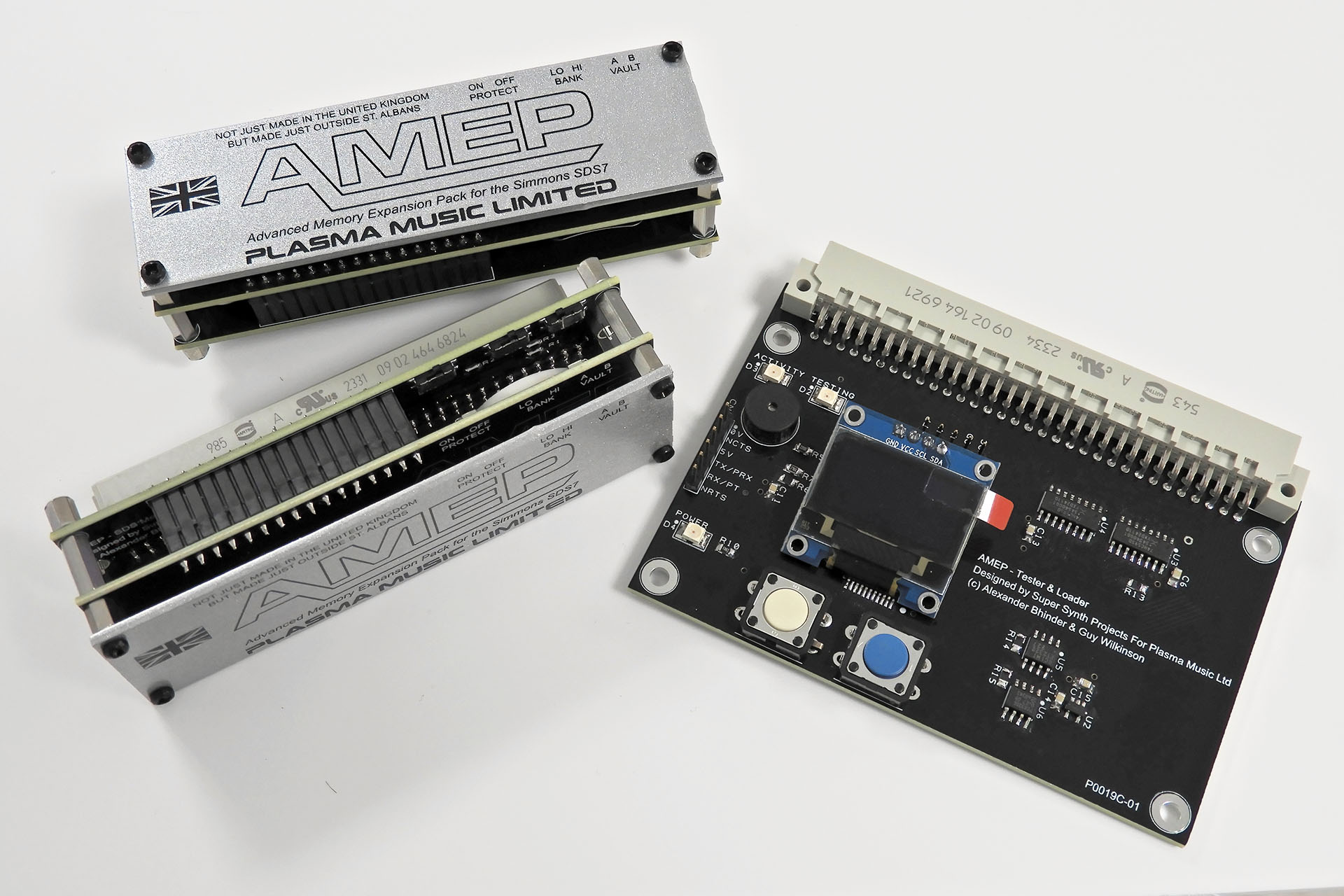
I love designing and making stuff and over the past few years I've been extremely lucky to earn the trust of many customers all over the world. Testing products before they're sent out is a major part of the supply process. To reduce the possibility of sending one of my products halfway around the world, only for it to be faulty, is why quality control is important to me. For some products, I've had to spend as much time designing a test rig as I did designing the product. Other products are tested in a test version of the instrument that they're going into. My Advanced Memory Expansion Pack (AMEP) for the Simmons SDS7 is an example of that. Although I was delighted when I finally put my test SDS7 back together (read all about that here), it remains in my lab so that I can make sure that every AMEP is good before it goes out.
Having said that, my dear friend Guy Wilkinson developed a rig to speed-test and program AMEP. Sorry Guy but I still need to get that all set up. ?
I make several replacement power supplies, all of which use AC / DC converters in a are of modular design. A power supply is the heart of any system. It also handles a domestic supply voltage of anything between 100V and 240V a.c. That means that apart from ensuring that the customer's gear is safe, I also have to ensure that the customer is safe. Yes, I have public liability insurance but that's not the point. Why would anyone design and build peripherals to help extend the life of vintage equipment when those peripherals were unsafe and unreliable? Kind of defeats the object, right?
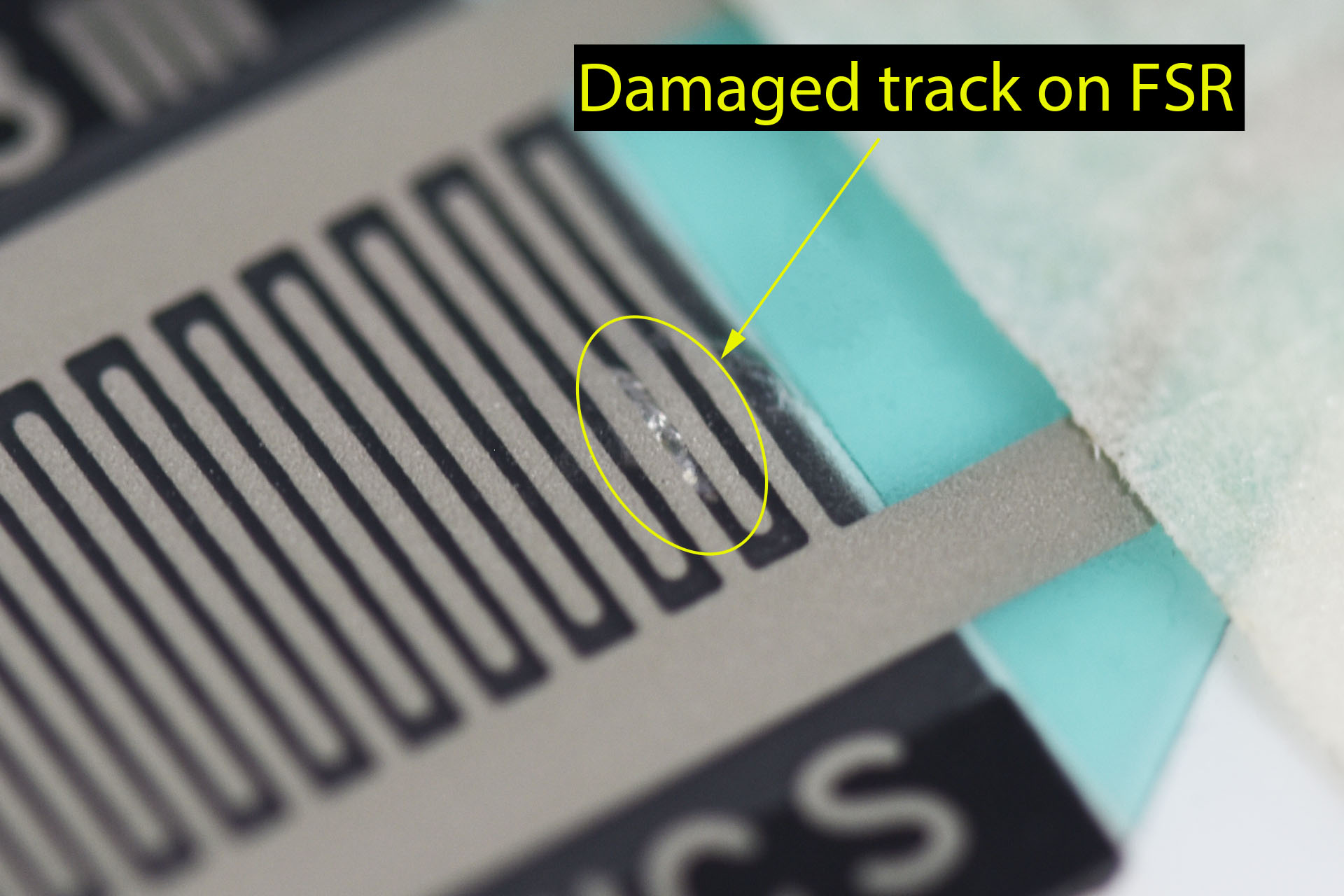
I was inspired to write this post because today something went wrong while I was in the middle of making three force sensitive resistor (FSR) based replacement aftertouch systems. The second system, an AT-JX-8p (for guess which synthesiser), was kind of acting a bit weird. During testing, pressing one of the sensors near the terminal end, intermittently produced a short circuit. Sometimes it was open circuit. Sometimes it seemed to work fine. On closer inspection, I discovered a small defect in the FSR itself. This was upsetting, not just because I had to make another sensor assembly but because the FSRs I use are one component that I buy directly from the manufacturer. This is a classic example of just why quality control is important and why I don't take anything for granted.
While quality control is important, I'd be wasting my time if I didn't use high quality components and tools. Many won't bother but I wouldn't love what I do if I didn't take pride in it.
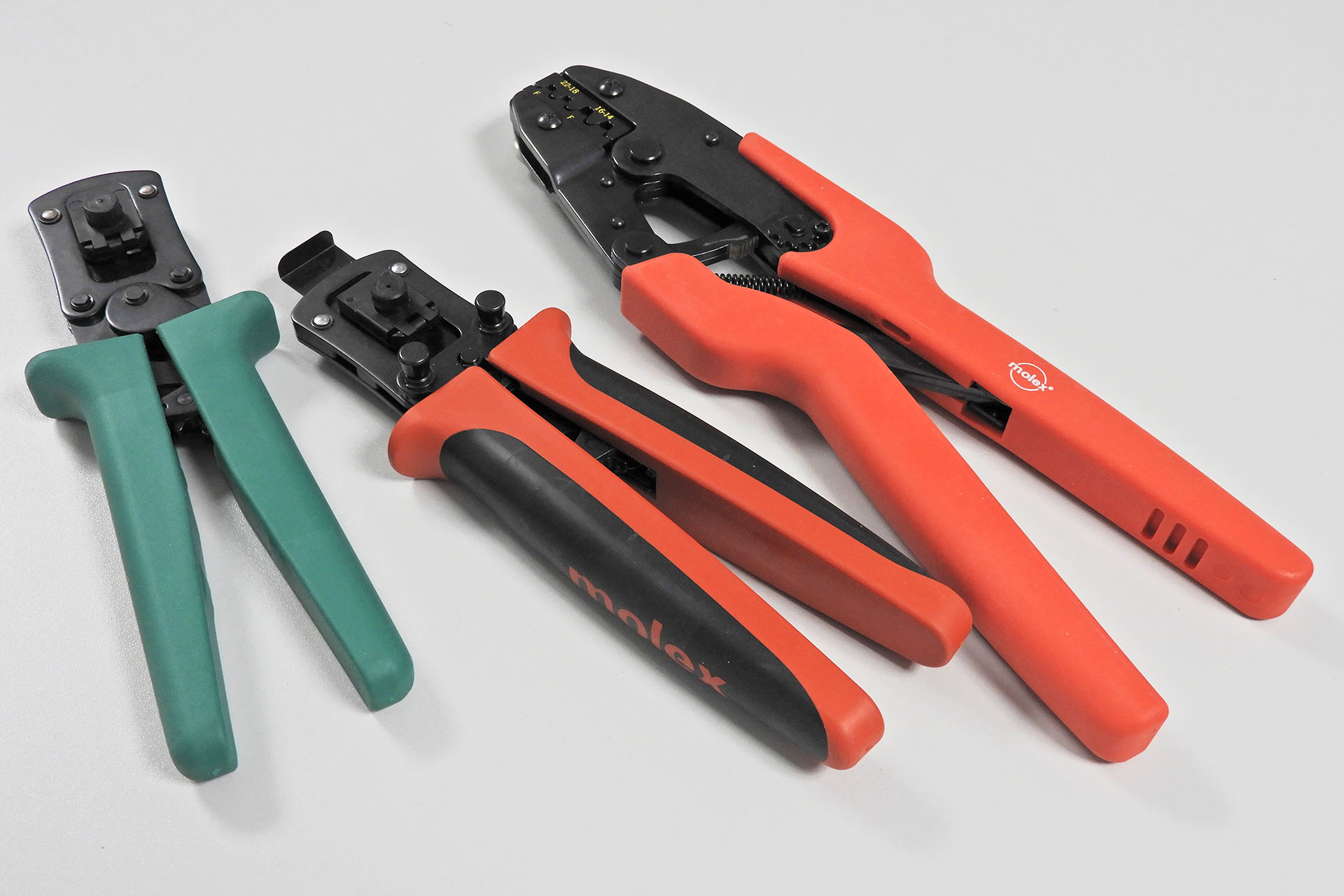
Connectors are often compromised for example because whilst the housings, headers and the terminals may be relatively cheap, the proper manufacturers' crimping tools are not. To ensure a 'secure connection', I have many crimp tools for properly securing Molex, JST and other terminals. These guys cost between 500 GBP and 800 GBP each!
Of course, it's practically impossible to test systems 100% but I do what I can. With decades of experience in design and manufacturing, I'm very aware of the things to look out for.
As hinted already, customer safety is paramount. Not only are my products designed with safety in mind, they're tested with safety in mind too.
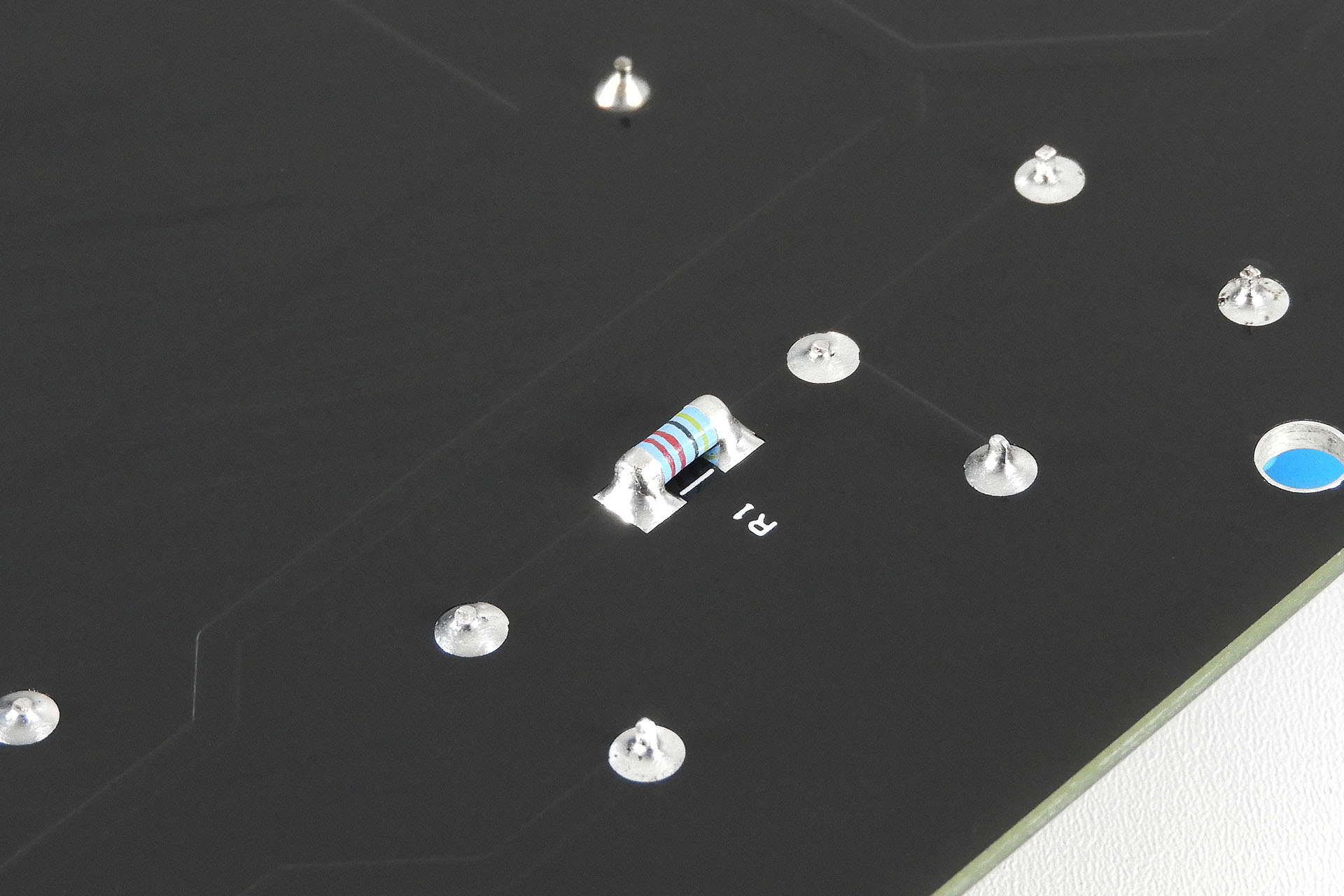
Ensuring that customer equipment won't be damaged as a result of using one of my products, is also very important so following a visual inspection and preliminary testing, everything is soak-tested prior to shipping.
Maintaining a certain degree of quality sometimes requires us to look more holistically at things. "Okay, so here's a really cool piece of gear, now what?"
Fortunately for my customers, I'm as fussy with my installation manuals as I am with the equipment that I make. Sometimes, the installation manuals take longer to compile than the product that they're meant for. Whilst I advocate that those undertaking installing my products have a good level of technical competence, that's of course, something I'm unable to guarantee. My instructions are therefore written with no assumptions. Yes, they may on occasion come across as somewhat patronising but I'm not going to apologise about that.
Taking photographs and knocking up diagrams is particularly time consuming. I don't have a photography studio so many photographs are taken in situ.
Of course, working by myself presents the issue that I'm forced to test and QA my own work. That's not at all ideal. Being a bit old fashioned, in the studio for example, I'm dead against mastering my own material. Tracks always get sent out to someone who can be objective.
In a production environment, QA is performed by a department that is quite separate to manufacturering. I'm unable to do that which means that I need to be extra vigilant. It's very frustrating.
Some Lovely Feedback... I recently sent an AT-JX-10 replacement aftertouch sensor kit to a customer in Florida. I was then contacted by Kris Rogers, of ProAudio ElectronicsOpens in a new window in Tampa, requesting installations instructions. I was initially a bit confused as installation instructions are available after purchase and are also emailed to the customer on confirmation of shipping. Anyway, after getting a few details, I obliged Kris who was fitting my aftertouch system on behalf of the customer who purchased it. Well, this afternoon, I received the most lovely email from him:
"Alex,
I just wanted to complement you on the layout of these instructions. They're very well written, you did a fantastic job on this. I have done a few mod kit installations across many different types of keyboards and yours is by far the best I've seen.
Hats off, very well done.
Thank you for your help,
Kris Rogers"
The written word that accompanies my products, reflects my personality, my character, my passion and I hope, professionalism. I believe it important that people know just what I'm about and that the item they've purchased was made and is supported by someone who cares. It's very reassuring that people like Kris notice these things. 